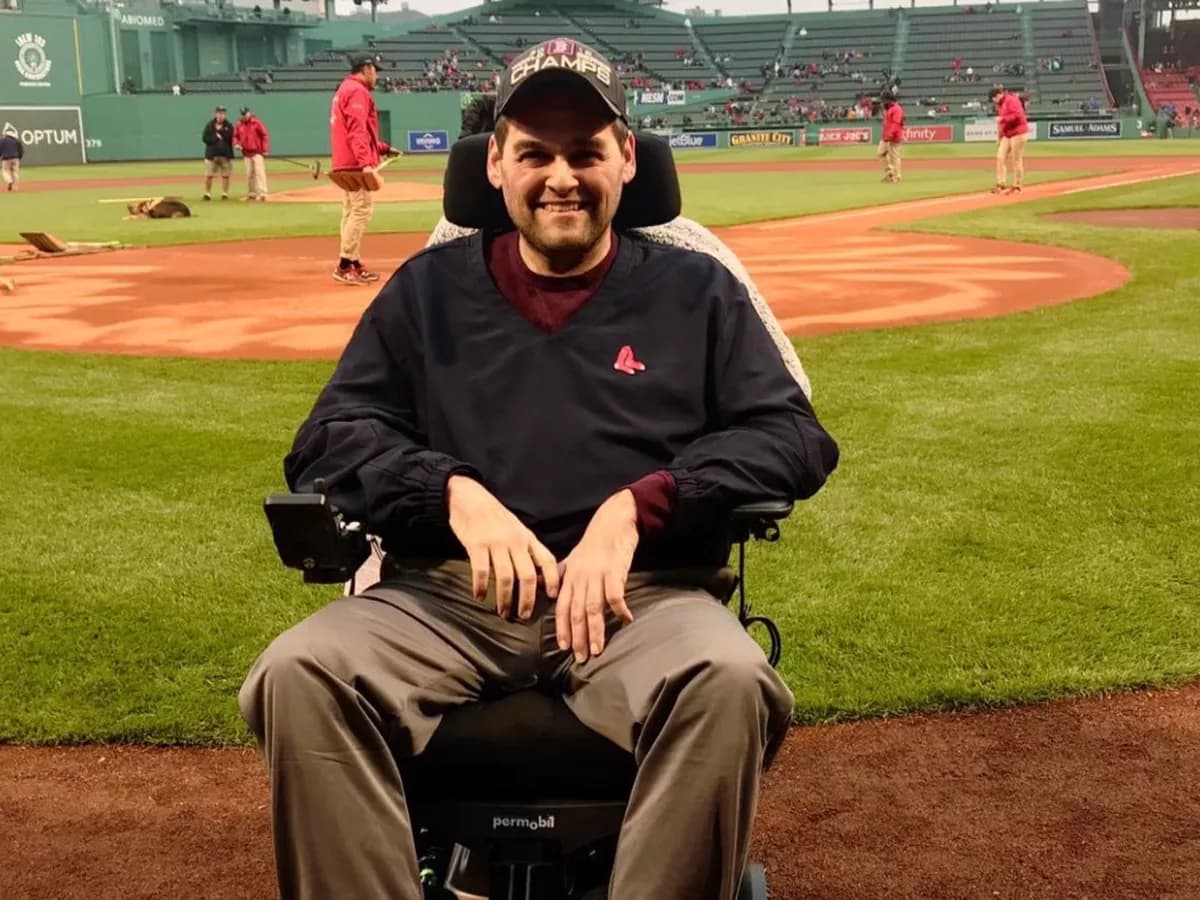
What is Amyotrophic Lateral Sclerosis?
Also known as Lou Gehrig's disease
ALS is a progressive neurodegenerative disease that affects nerve cells in the brain and spinal cord. It breaks the connection between the brain and muscles, and together, we're fighting to change that.
How ALS Affects the Body
When motor neurons begin to die, the body gradually loses the ability to move, speak, eat, and eventually breathe. Families often need practical help just as quickly as they need clear information.
Motor Neurons
ALS attacks the nerve cells responsible for controlling voluntary muscle movement, disrupting signals from brain to body.
Signal Disruption
As neurons degenerate, the electrical signals that tell muscles to move become weaker and eventually stop entirely.
Muscle Weakness
Without nerve stimulation, muscles weaken and atrophy. Early signs can include difficulty gripping, tripping, or dropping things.
Progressive Spread
ALS typically starts in one area, such as a hand, foot, or tongue, and gradually spreads to other muscle groups throughout the body.
Speech & Swallowing
Many people with ALS experience slurred speech and difficulty swallowing as the muscles of the mouth and throat weaken.
Breathing Difficulty
As respiratory muscles weaken, breathing support becomes necessary. This is one of the most critical challenges for those living with ALS.

A diagnosis changes the whole household.
SHIFSTRONG exists because ALS is never just medical. It affects routines, equipment needs, caregivers, children, finances, and the emotional weight of everyday life. We help families find support and connection before isolation has a chance to take over.
Voices in the Fight Against ALS
Behind every diagnosis is a story, a fight, and a community. SHIFSTRONG believes shared experiences help the next generation of ALS patients and families navigate this journey.